Beautiful, Low-Maintenance Gardens That Thrive Year-Round
Local experts designing and maintaining sustainable seasonal gardens for busy homeowners with reliable care and transparent pricing.
Comprehensive Year-Round Garden Maintenance
Seasonal Care Schedule
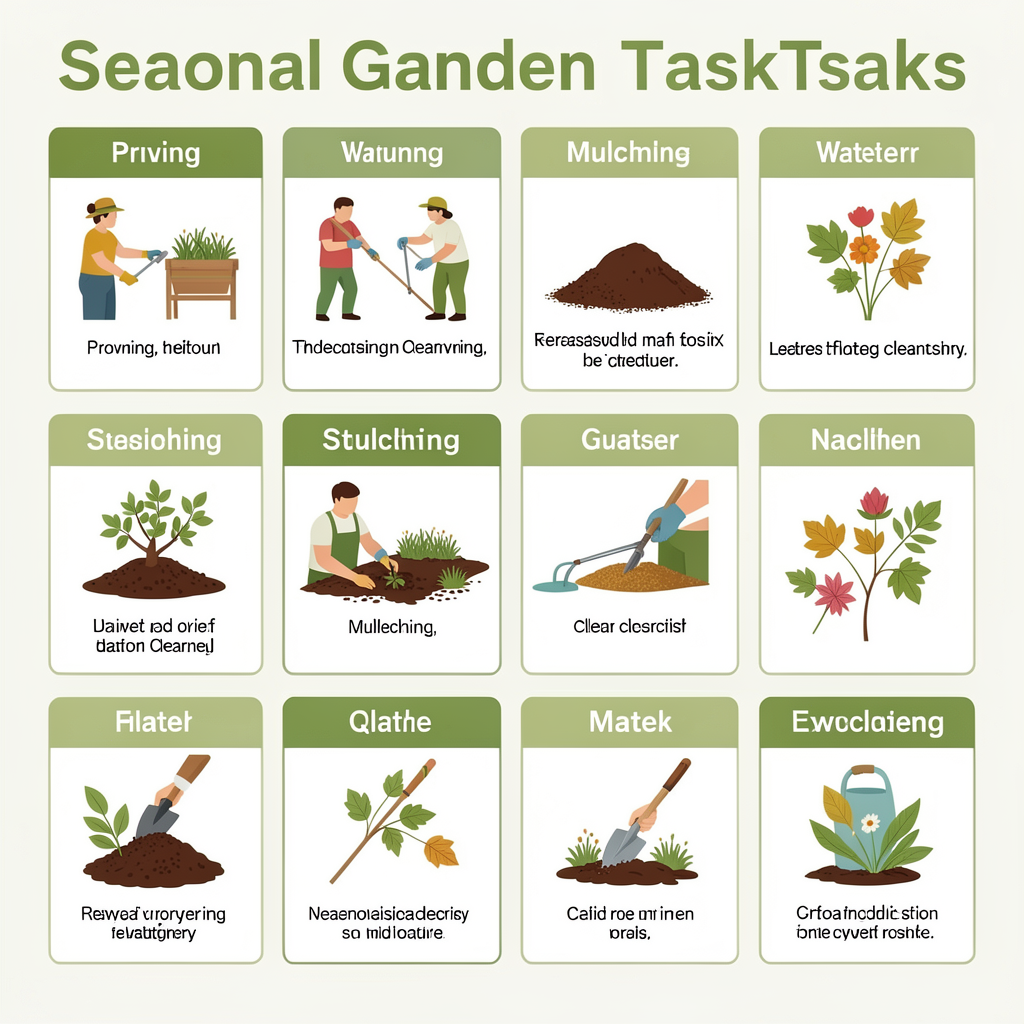
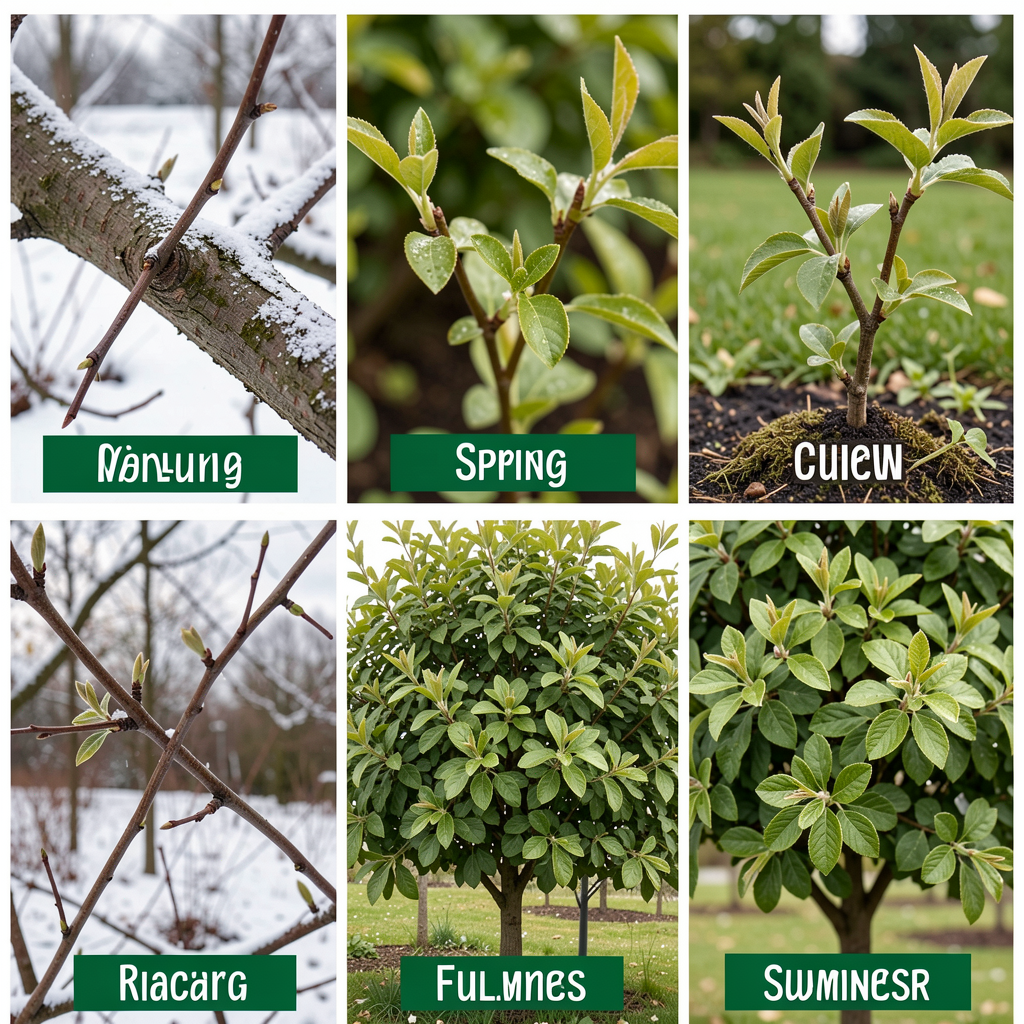
Create a season-by-season checklist: spring tidy and feed, summer watering and pest checks, autumn pruning and leaf removal, winter protection for vulnerable plants. Avoid over-pruning in spring and skipping mulch in autumn. Benefits include stronger plants and fewer emergency visits. Next step: request a tailored seasonal plan based on your garden size and plant mix.
Soil and Mulch Management
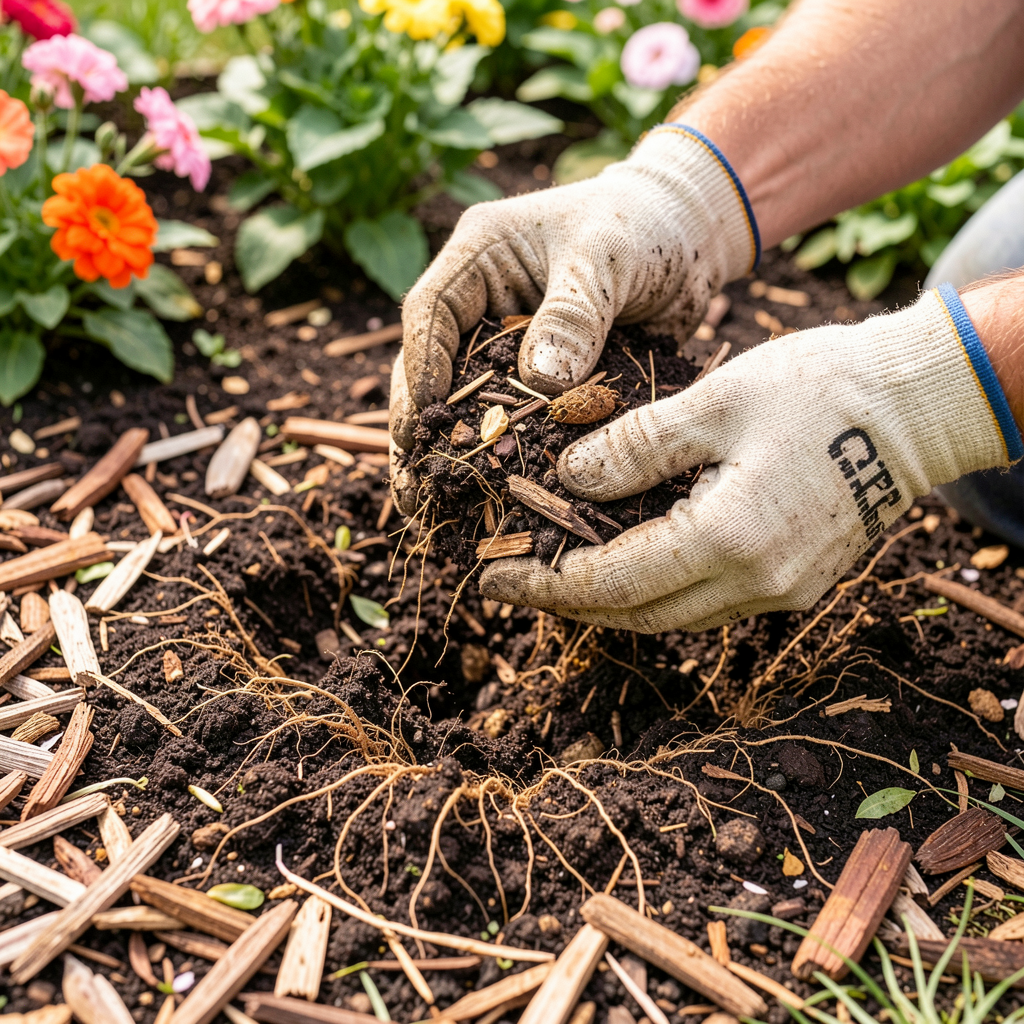
Test soil annually to balance pH and nutrients; add organic compost to improve structure and water retention. Apply 2–3 inches of mulch around beds to conserve moisture and suppress weeds. Common mistake: piling mulch against stems which causes rot. Outcome: healthier root systems and reduced watering needs. Schedule a soil test and amend plan.

Pest & Disease Prevention
Implement regular inspections to catch pests early, use integrated pest management (IPM) combining cultural, biological, and targeted organic treatments. Avoid routine broad-spectrum sprays which harm beneficial insects. Benefits include resilient plants and safer outdoor spaces. Practical step: book quarterly inspections and adopt beneficial insect habitats like native flower margins.
Precision Lawn Care and Mowing
Correct Mowing Height
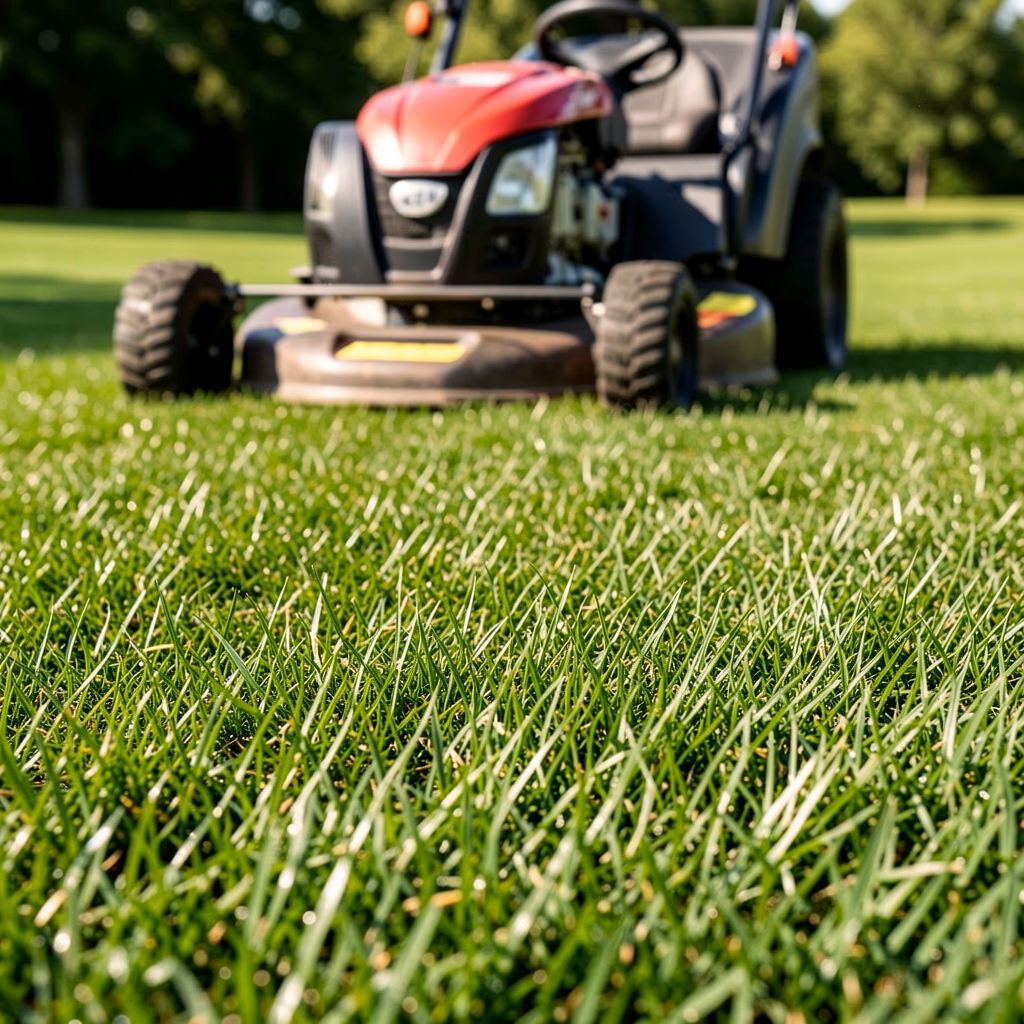
Set mower height to species-appropriate levels (e.g., 2.5–3.5 inches for most cool-season grasses) and follow the one-third rule to avoid scalping. Sharpen blades regularly to prevent tearing. Benefits: denser turf, fewer weeds, improved drought resilience. Next step: arrange a lawn assessment to set an optimal mowing schedule.
Irrigation Timing
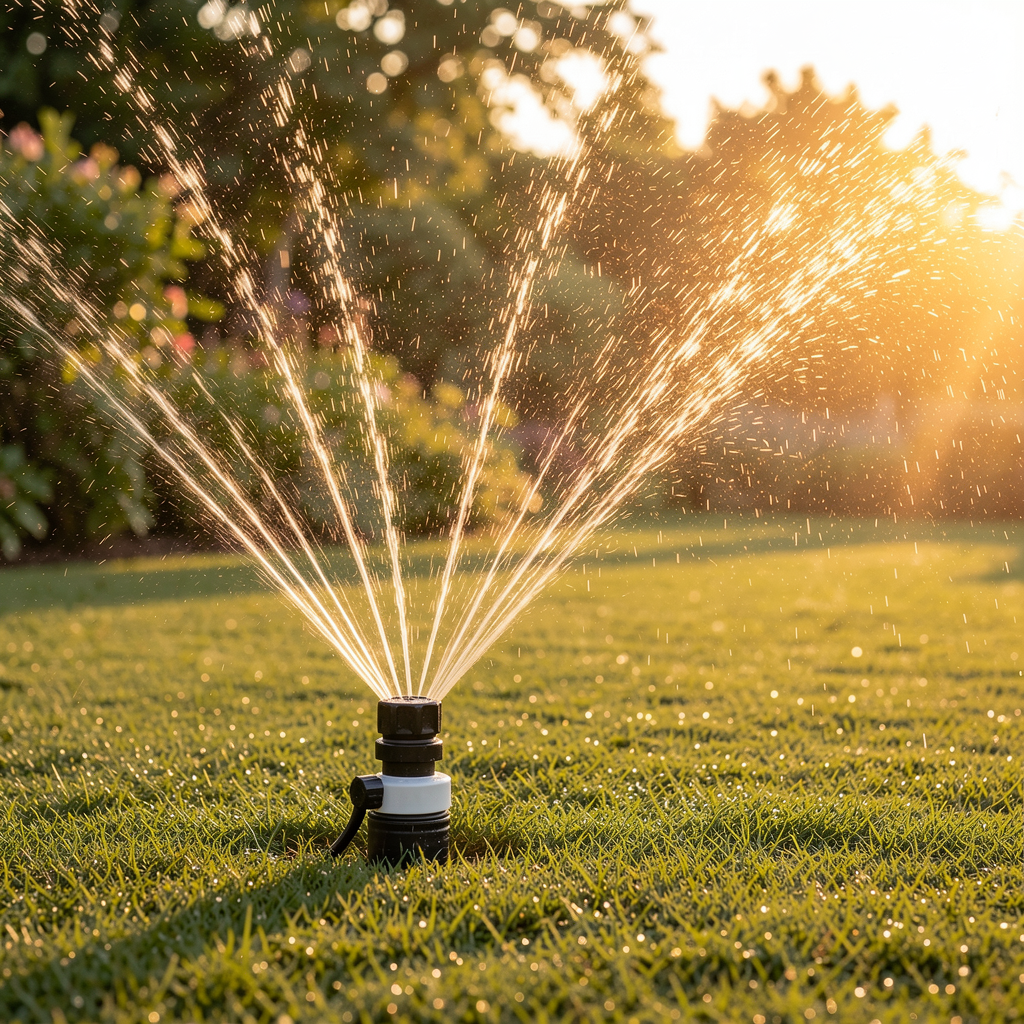
Water deeply and infrequently—early morning sessions two to three times weekly depending on soil and season—to encourage deep roots and reduce disease. Avoid evening watering that promotes fungal growth. Use a simple soil probe to check moisture before watering. Next step: evaluate your irrigation system for efficiency and scheduling adjustments.
Fertilization Plan
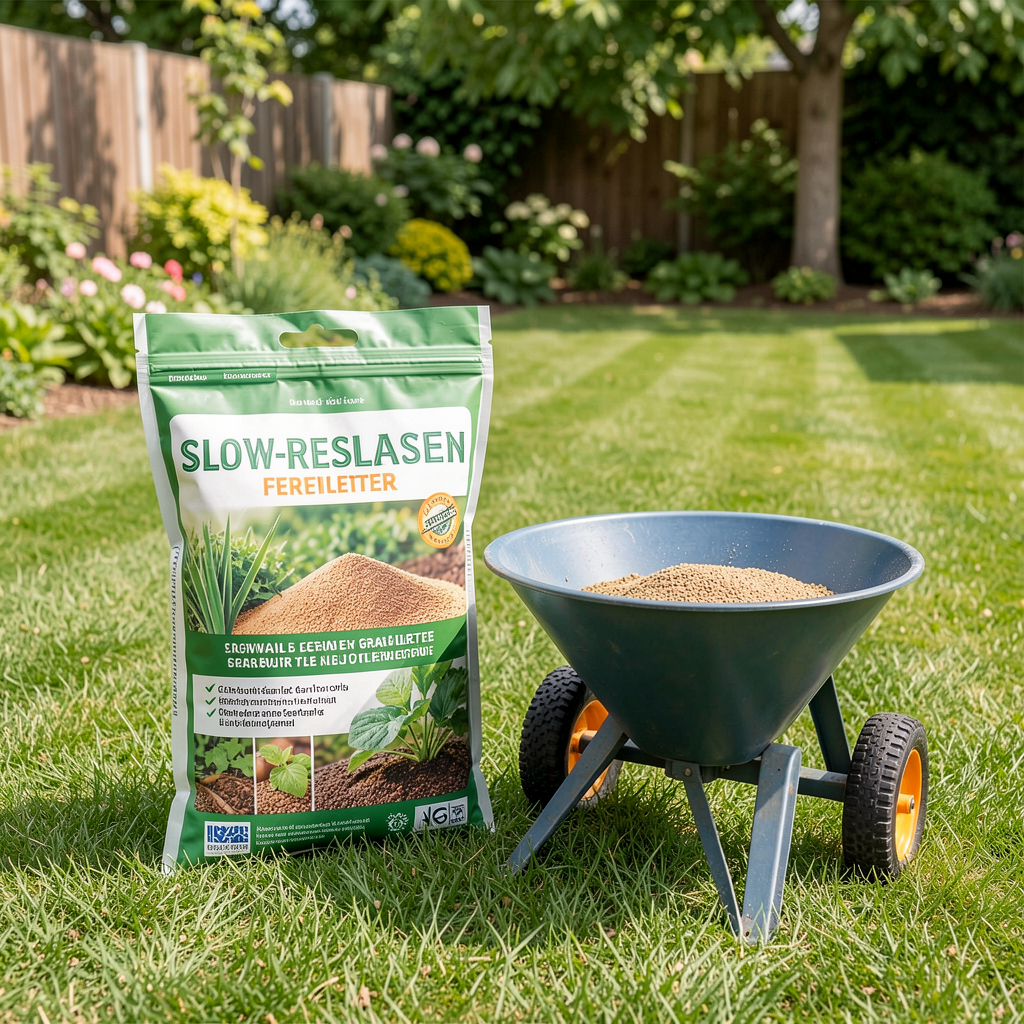
Apply slow-release fertilizer tuned to grass type and regional nutrient needs, timed for growth phases (spring and early autumn for cool-season grasses). Avoid high-nitrogen applications before drought or heavy heat. Benefits include sustained green color and reduced disease. Practical next steps: soil nutrient test and a seasonal fertilization schedule tailored to your lawn.
Expert Hedge Trimming Services
Trim for Shape
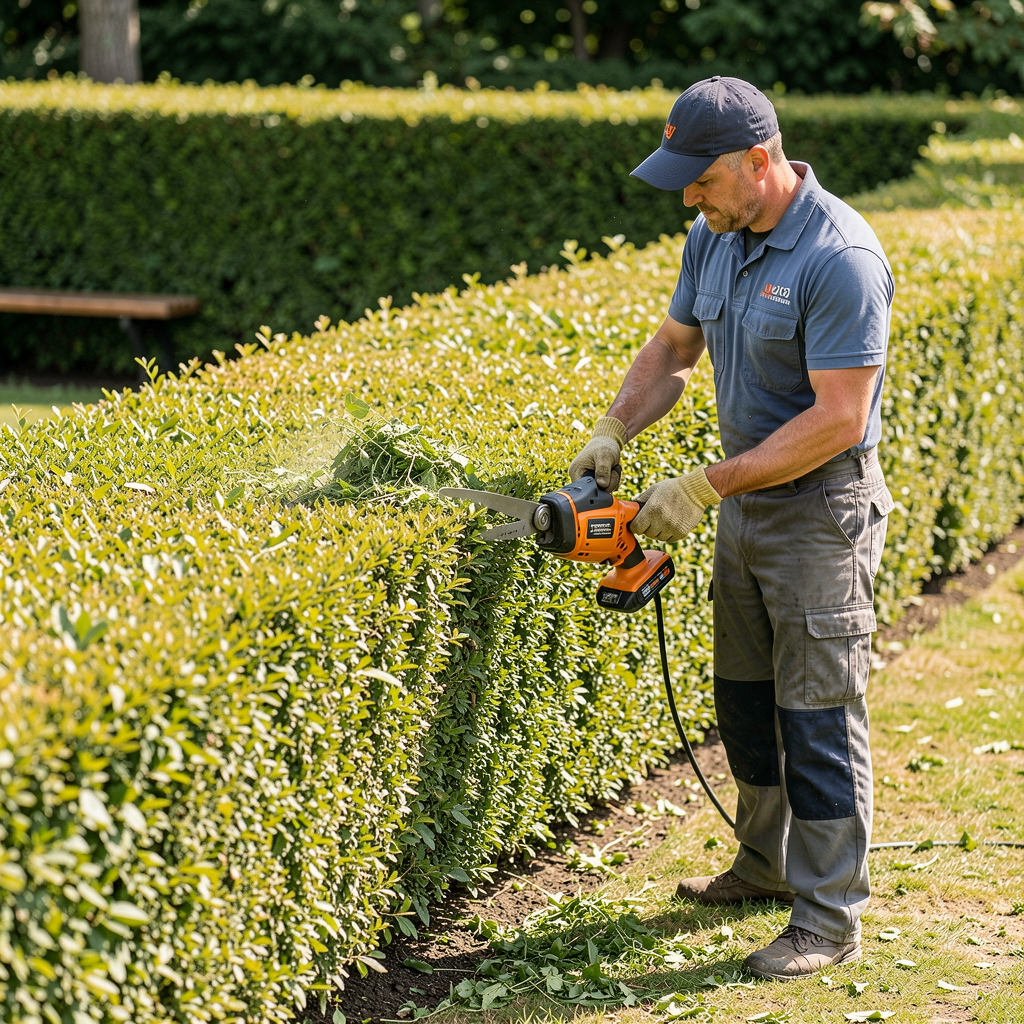
Establish a clear shape and trim gradually—remove no more than one-third of new growth per session to avoid stress. Use level guides and hand pruners for crisp lines on formal hedges, and softer shears for informal hedgerows. Outcome: neat appearance and long-term vigor. Book a shaping session before peak growth seasons.
Seasonal Pruning Timing
Time pruning to each species: late winter for many deciduous hedges, late spring after flowering for spring-blooming shrubs. Avoid heavy cuts during extreme heat or cold. Mistake to avoid: pruning flowering hedges at the wrong time and removing this season’s blooms. Next step: identify hedge species for a specific pruning calendar.
Tool Selection & Safety
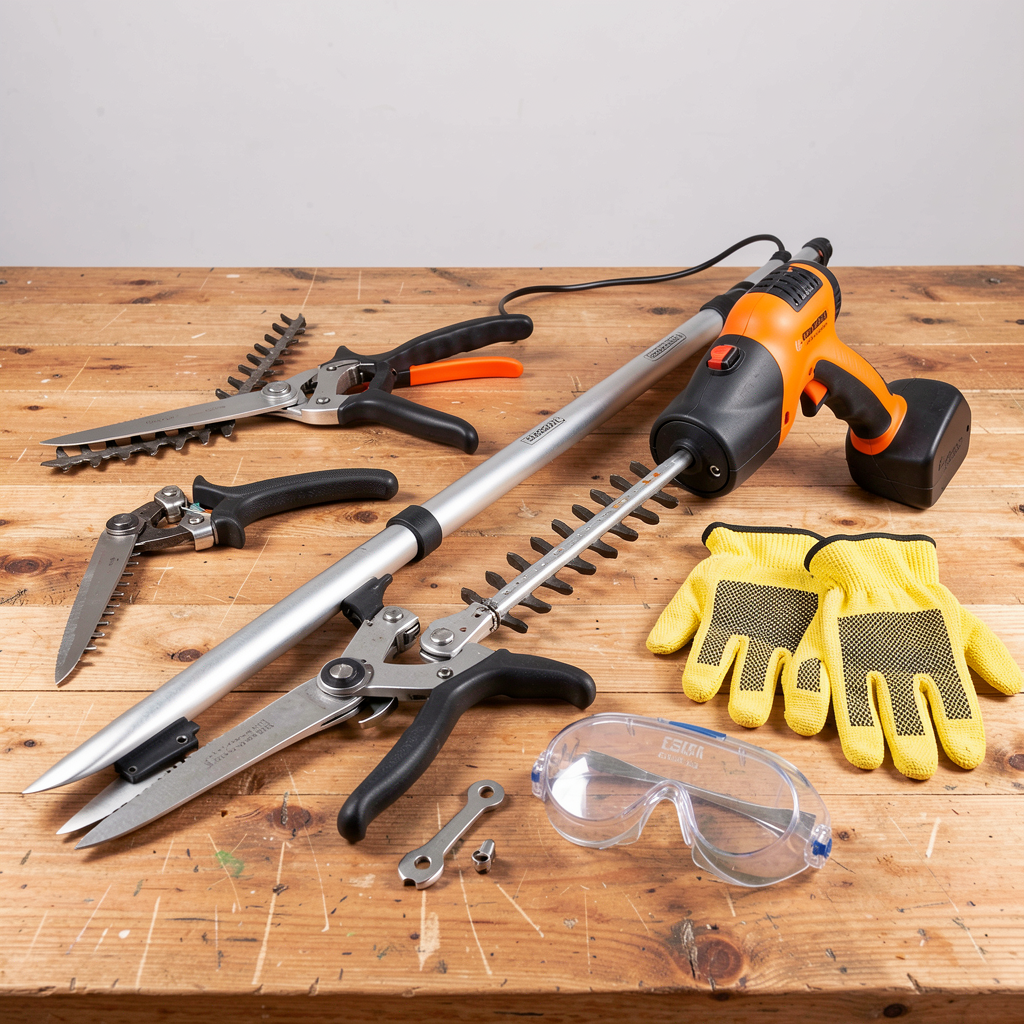
Use appropriate tools: hand shears for detail, pole pruners for height, and petrol or electric hedge trimmers for long runs. Keep blades sharp, wear eye and ear protection, and remove trimmings promptly to prevent pests. Benefit: faster work and cleaner results. Next: schedule regular maintenance and blade sharpening for safety and efficiency.
Thoughtful Planting & Design
Right Plant Right Place
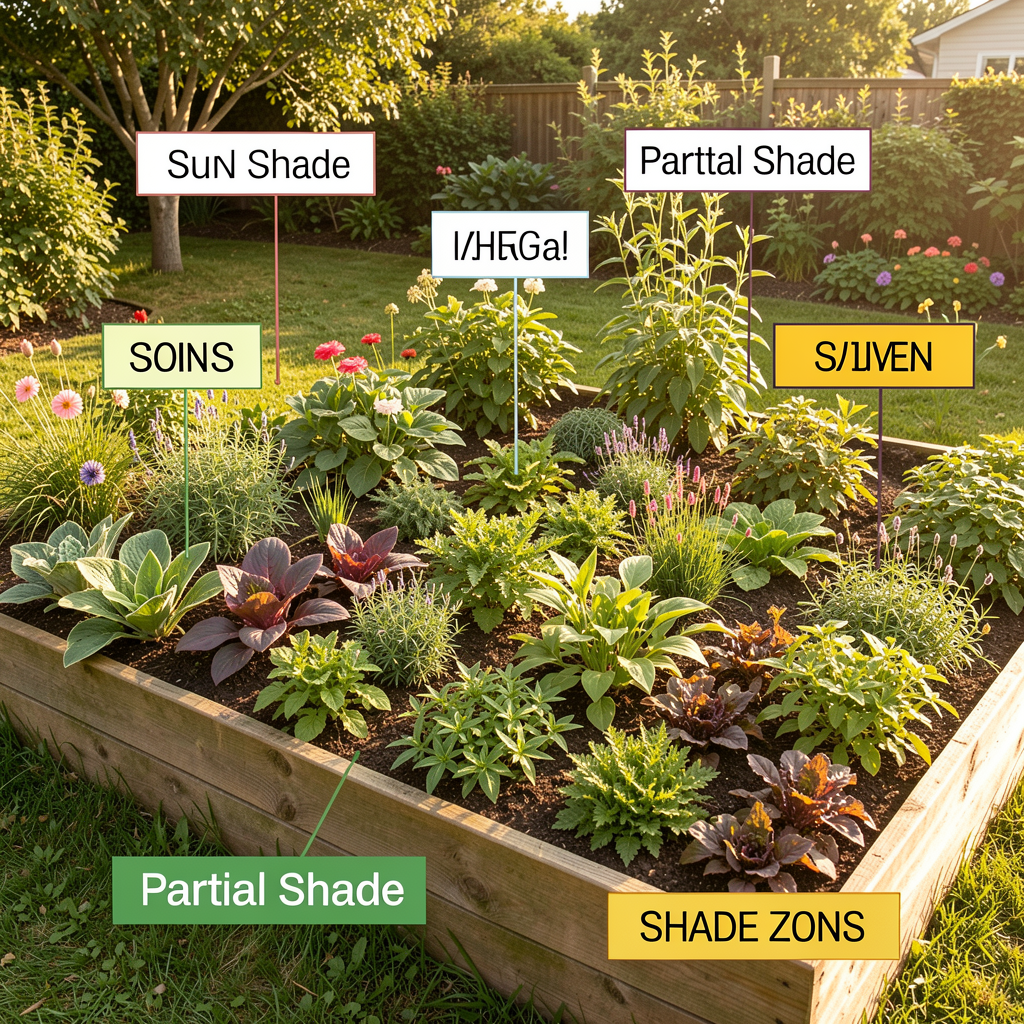
Match plant choices to microclimates: sun, shade, soil moisture and exposure. Choose species suited to local hardiness zones to reduce watering and replacement. Common mistake: planting sun-loving species in shaded areas. Benefit: lower maintenance and stronger growth. Next step: send photos or schedule a site visit to receive a plant placement plan.
Layered Planting Technique
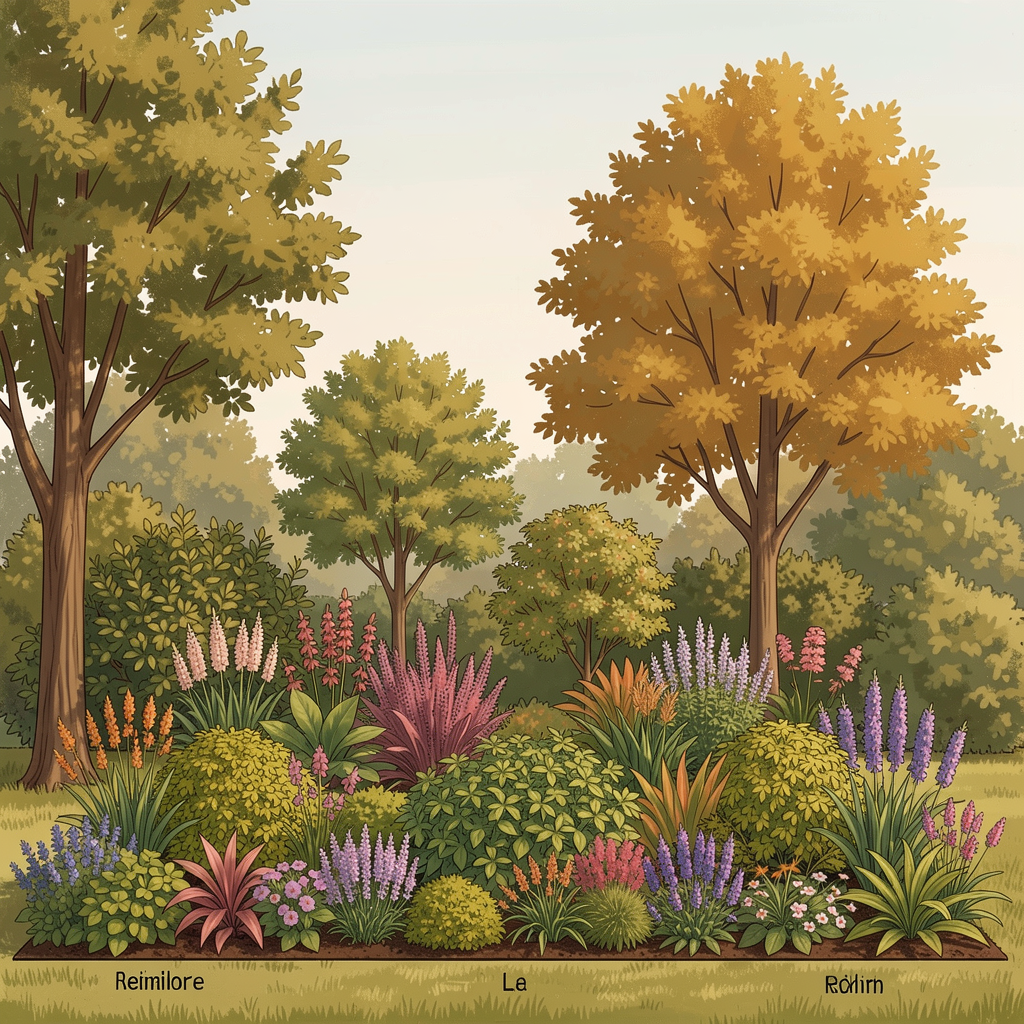
Design with layers—groundcover, perennials, shrubs, and small trees—to create year-round interest and habitat. Stagger bloom times and textures for visual depth and reduced weed pressure. Avoid overcrowding; leave root space for mature size. Benefit: dynamic, low-maintenance beds. Next step: request a planting plan with species lists and spacing guides.
Native & Pollinator Plants
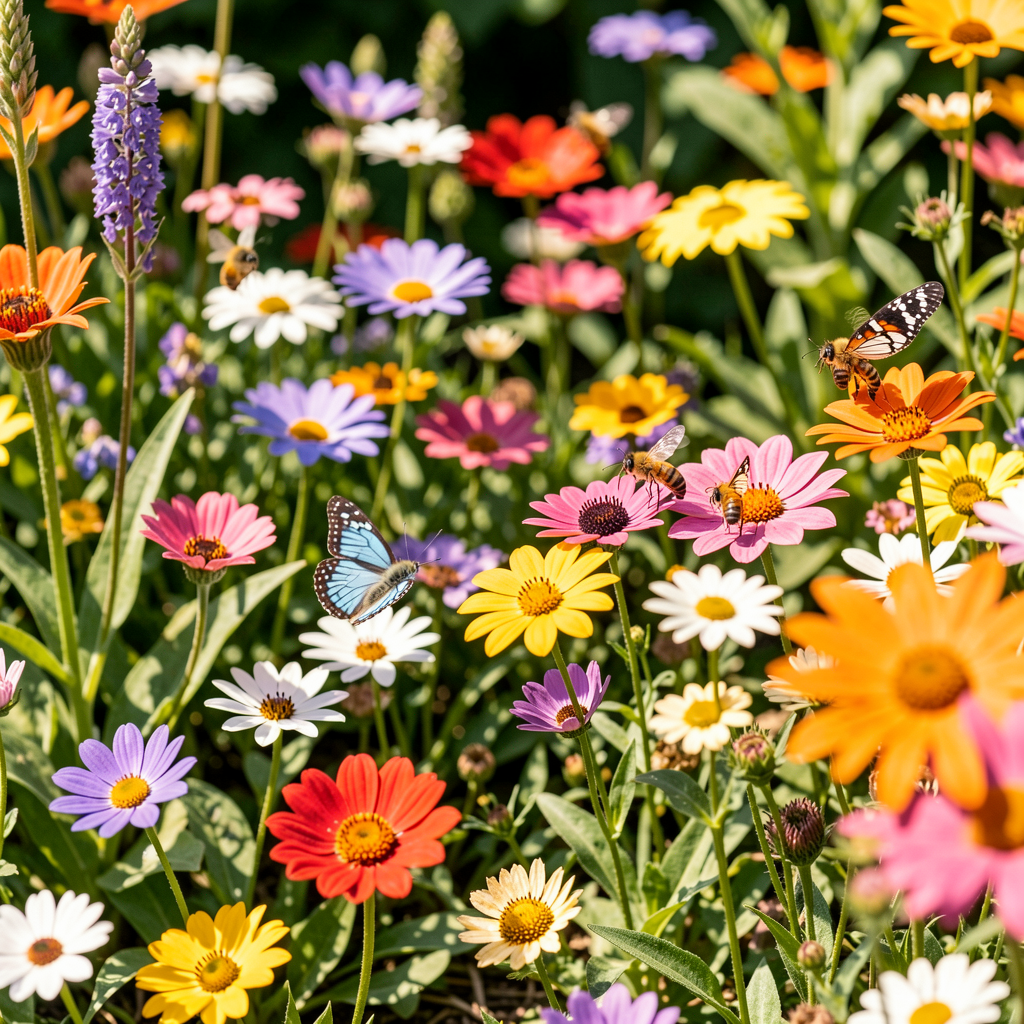
Prioritize native species and pollinator-friendly plants to support biodiversity and reduce inputs. Use nectar-rich blooms, continuous seasonal flowering, and sheltering shrubs. Mistake to avoid: overuse of non-native ornamentals that require heavy care. Benefits include resilient ecosystems and fewer pesticides. Action: start with a pollinator border or container program this season.
Patios, Paths & Landscape Design
Functional Patio Layout
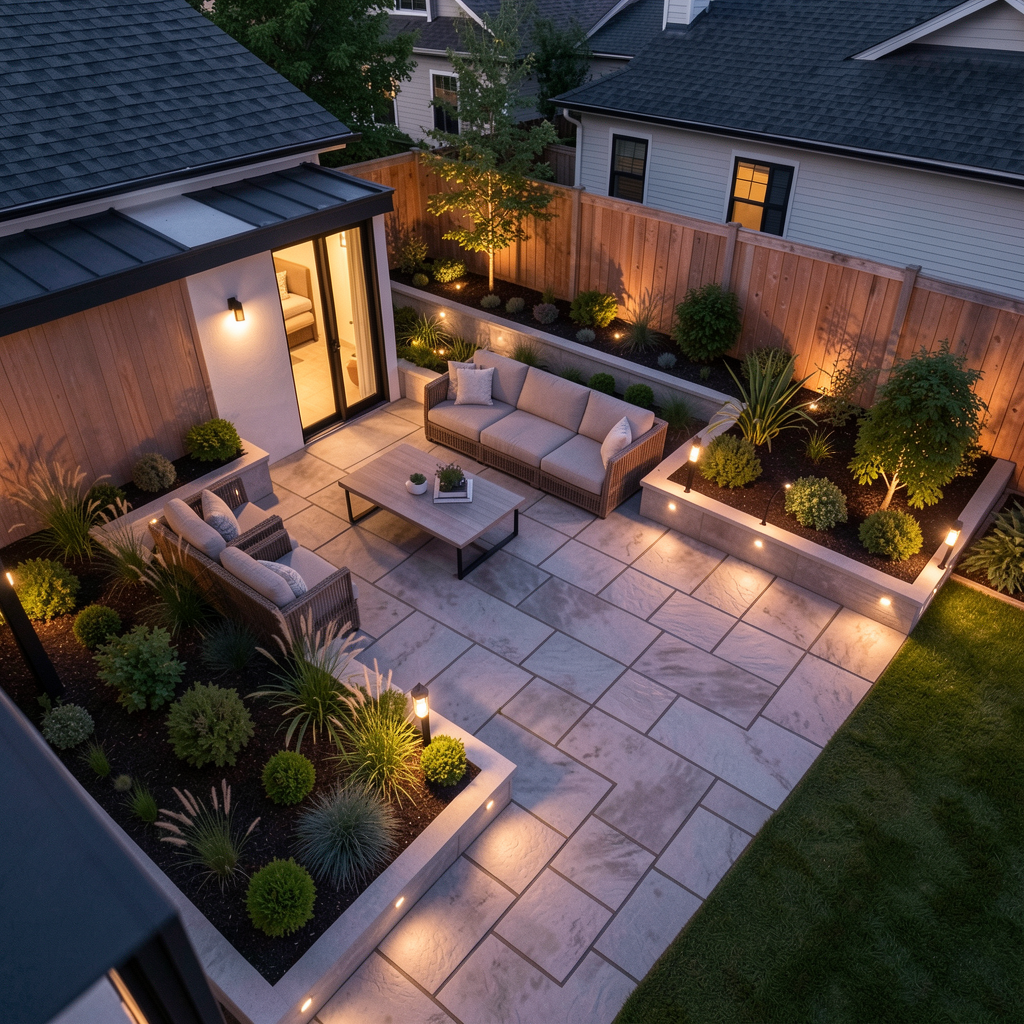
Plan patios and seating areas for circulation, shade, and entertaining zones. Consider furniture scale, access from the house, and sightlines to key plantings. Avoid oversized hardscape that reduces planting space. Benefits: usable outdoor rooms and increased property enjoyment. Next step: request a simple patio layout sketch and materials estimate.
Drainage and Grading
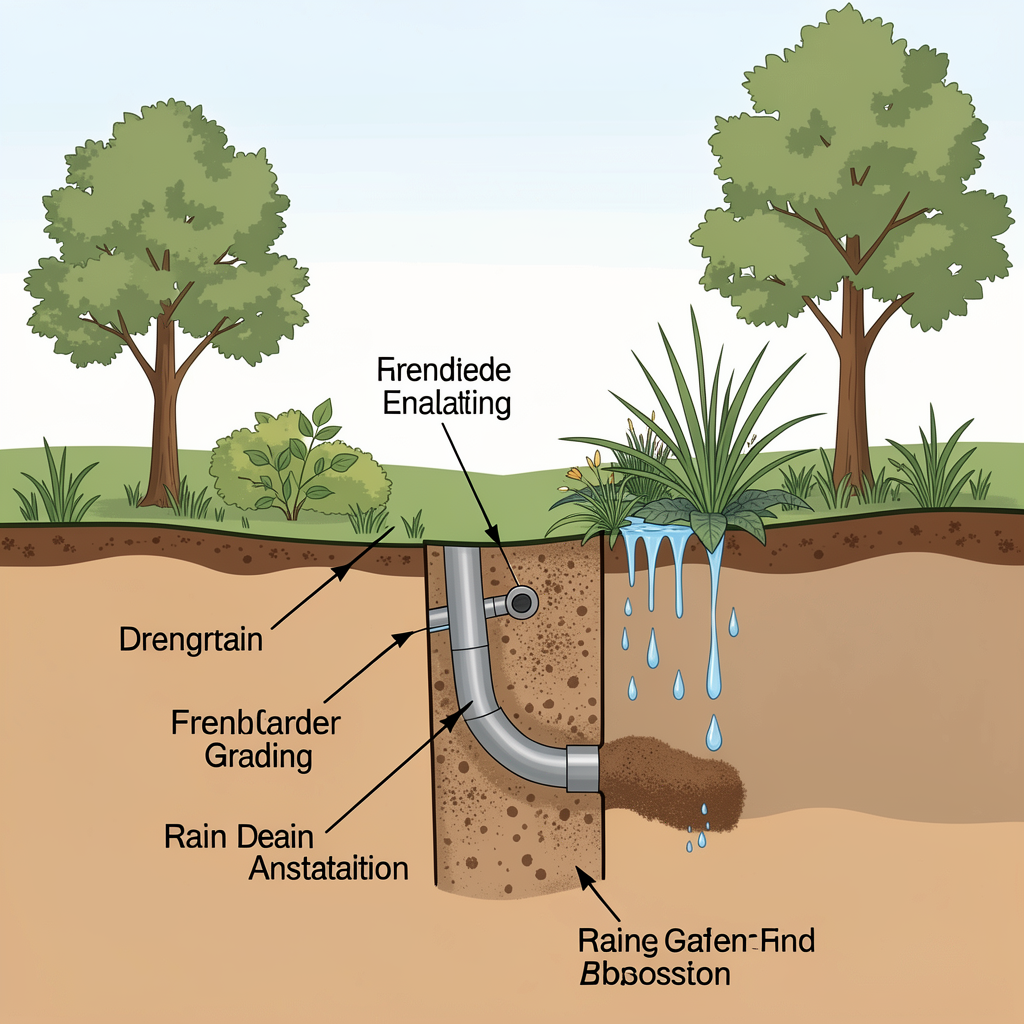
Ensure proper grading away from the house and incorporate permeable surfaces or French drains to manage runoff. Poor drainage causes plant loss and patio damage. Use swales or rain gardens to slow water. Benefit: longer-lasting hardscapes and healthier plants. Next step: schedule a site survey to map slopes and design drainage solutions.
Hardscape and Softscape Balance
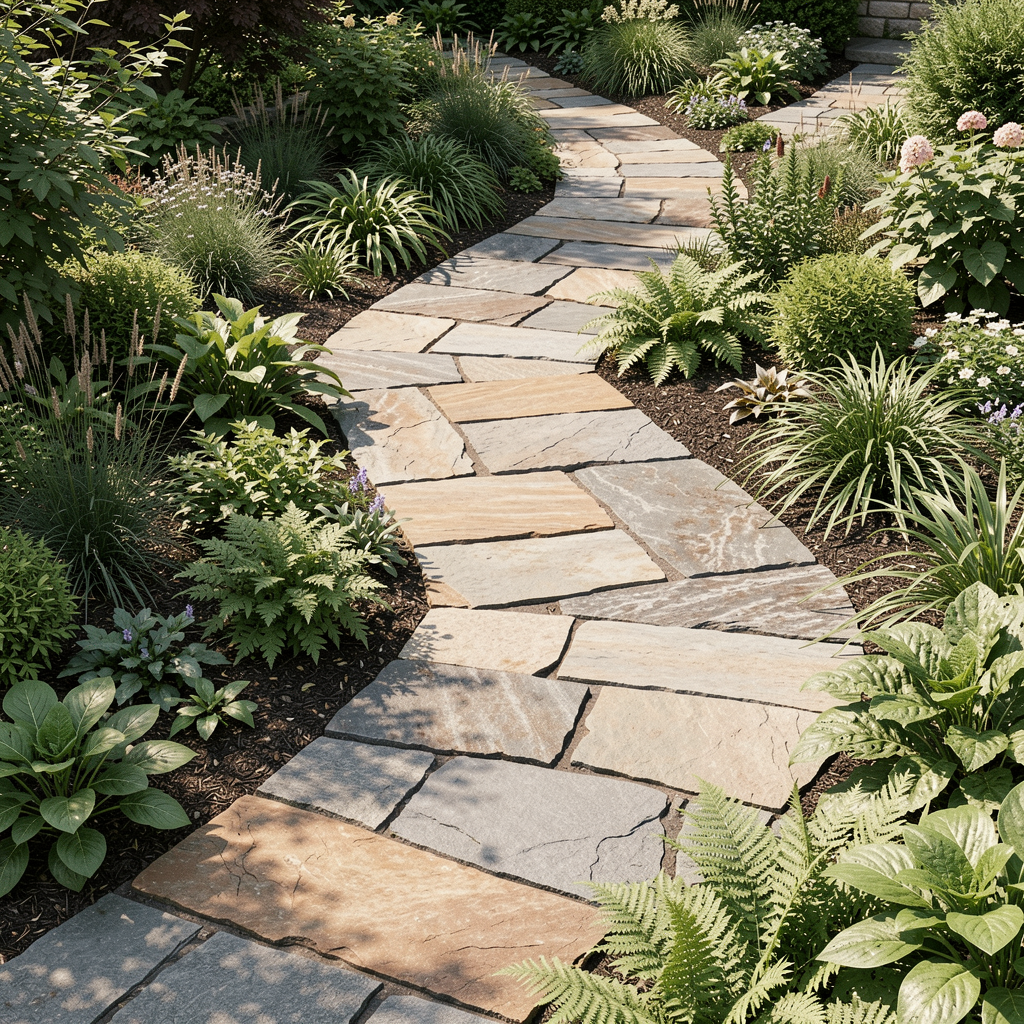
Balance paving, walls, and structures with planting to soften edges and add seasonal interest. Mix textures and native plantings to reduce upkeep. Avoid monotone materials that date quickly. Result: attractive, low-maintenance landscapes that increase curb appeal. Action: request a combined hardscape-softscape concept to preview material and planting choices.
Professional Garden Clearance Services
Debris Removal Strategy
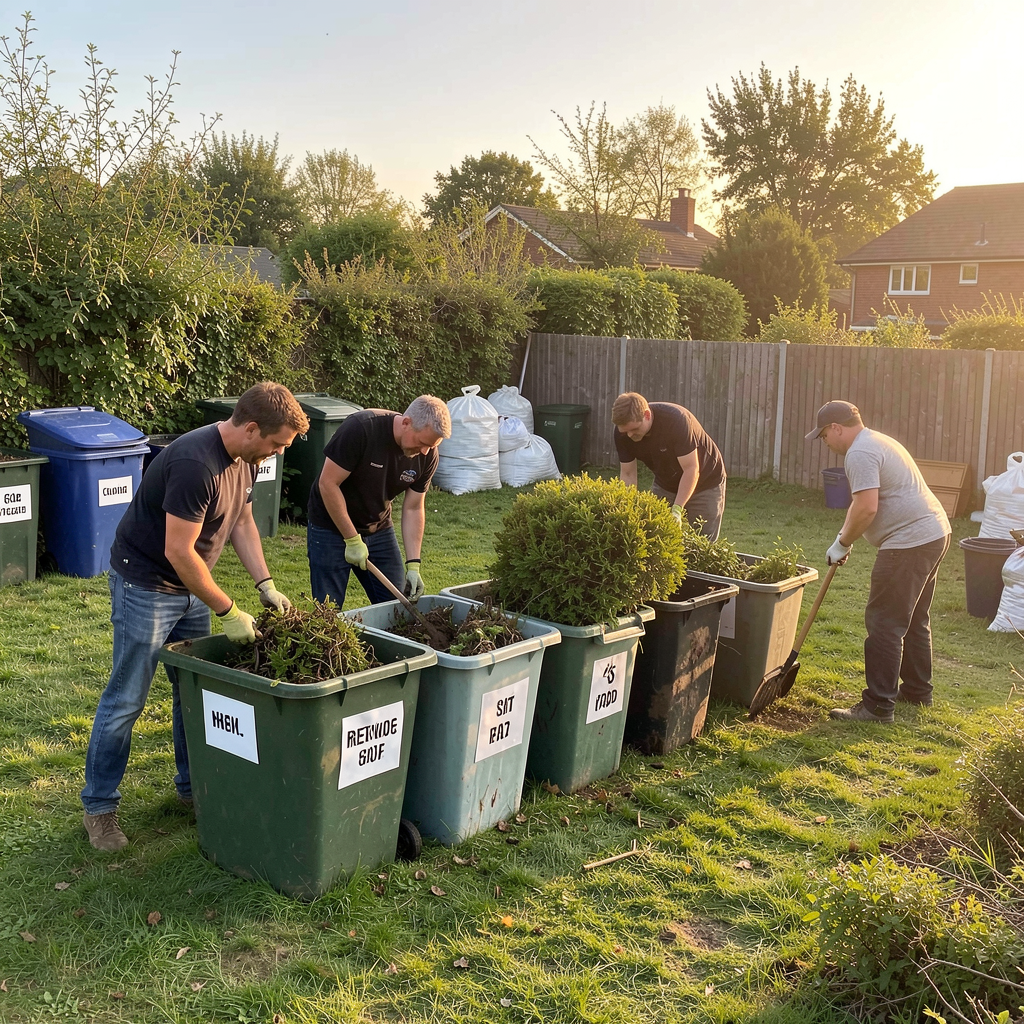
Clear overgrown areas safely by assessing hazards, cutting back woody growth, and removing accumulated debris in stages. Separate recyclable material from green waste to speed disposal. Avoid burning debris on site. Benefit: cleaner, usable space ready for redesign. Next step: book an on-site quote to scope time and equipment needs.
Green Waste Recycling
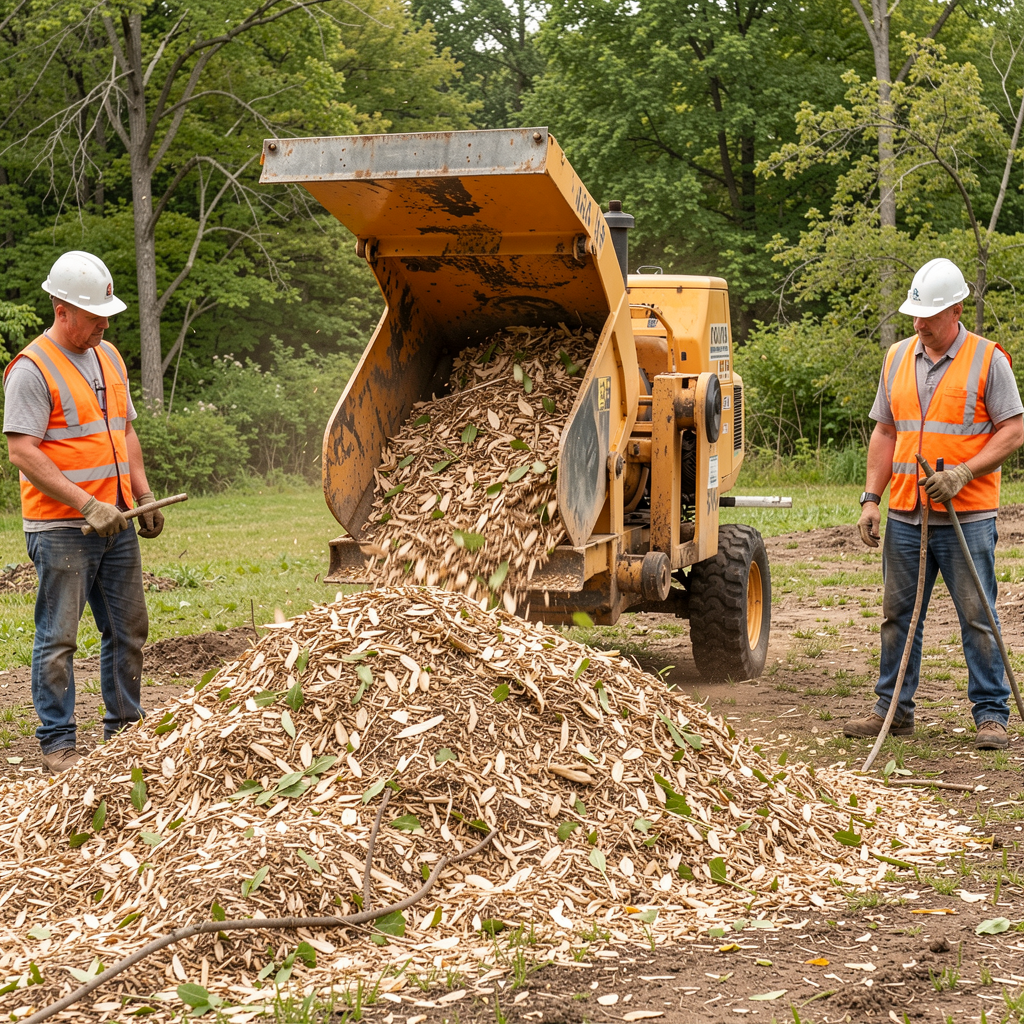
Compost or chip cleared material where possible to reduce landfill and create mulch or soil conditioner for reuse. Use a woodchipper for larger branches and arrange municipal green-waste pickup for residuals. Benefit: lower disposal costs and sustainable resource use. Next step: request a clearance plan detailing reuse or recycling opportunities.
Site Preparation for Reuse
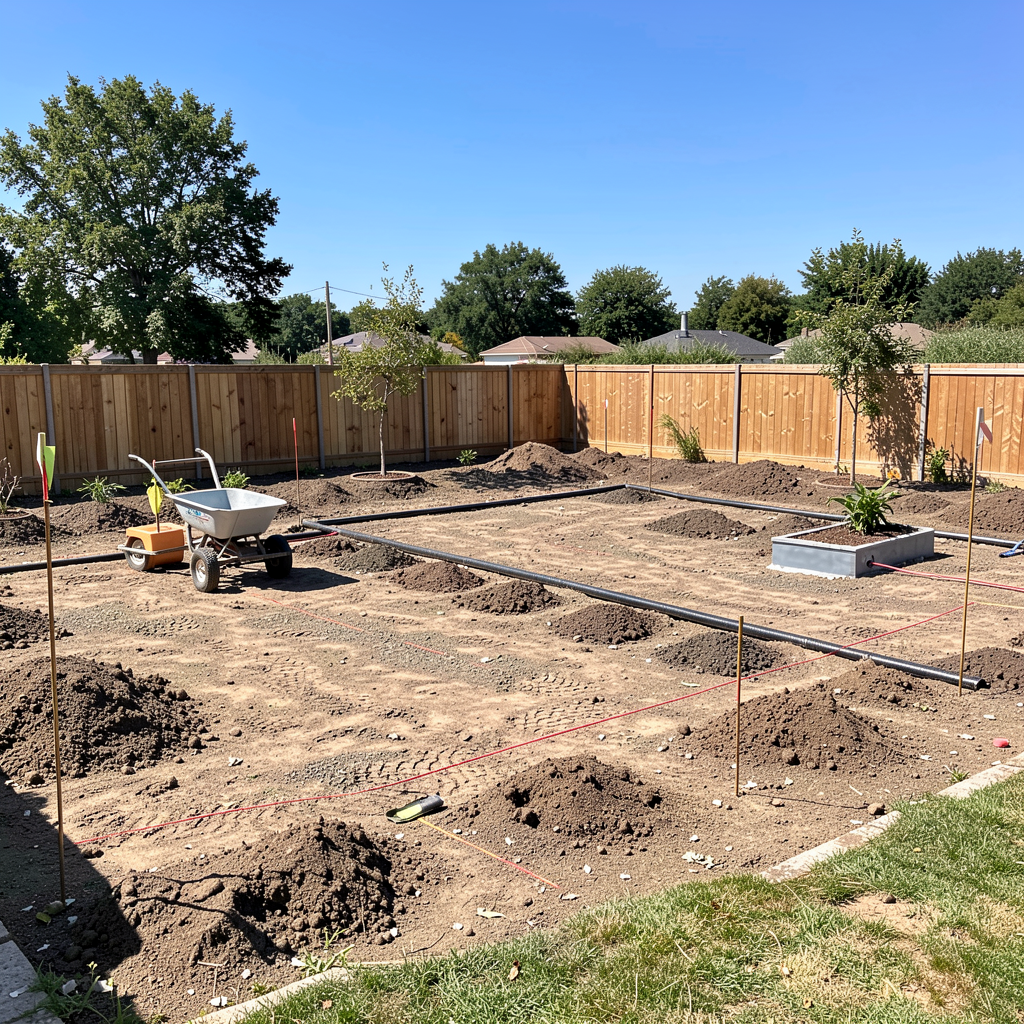
After clearance, grade and amend soil, remove persistent weeds, and mark utility lines to prepare for new planting or hardscaping. Avoid rushing into planting without soil improvement. Outcome: smoother project timelines and healthier future plantings. Practical next step: combine clearance with a follow-up soil test and design consult.
Clear, Reliable Landscaping Process
Free Site Assessment
We begin with a complimentary on-site visit to assess soil, drainage, sun exposure, and client goals. This identifies priorities and potential challenges so we can provide an accurate proposal. Mistake to avoid: skipping site inspection and using generic estimates. Next step: schedule your free assessment online or by phone.

Transparent Estimates
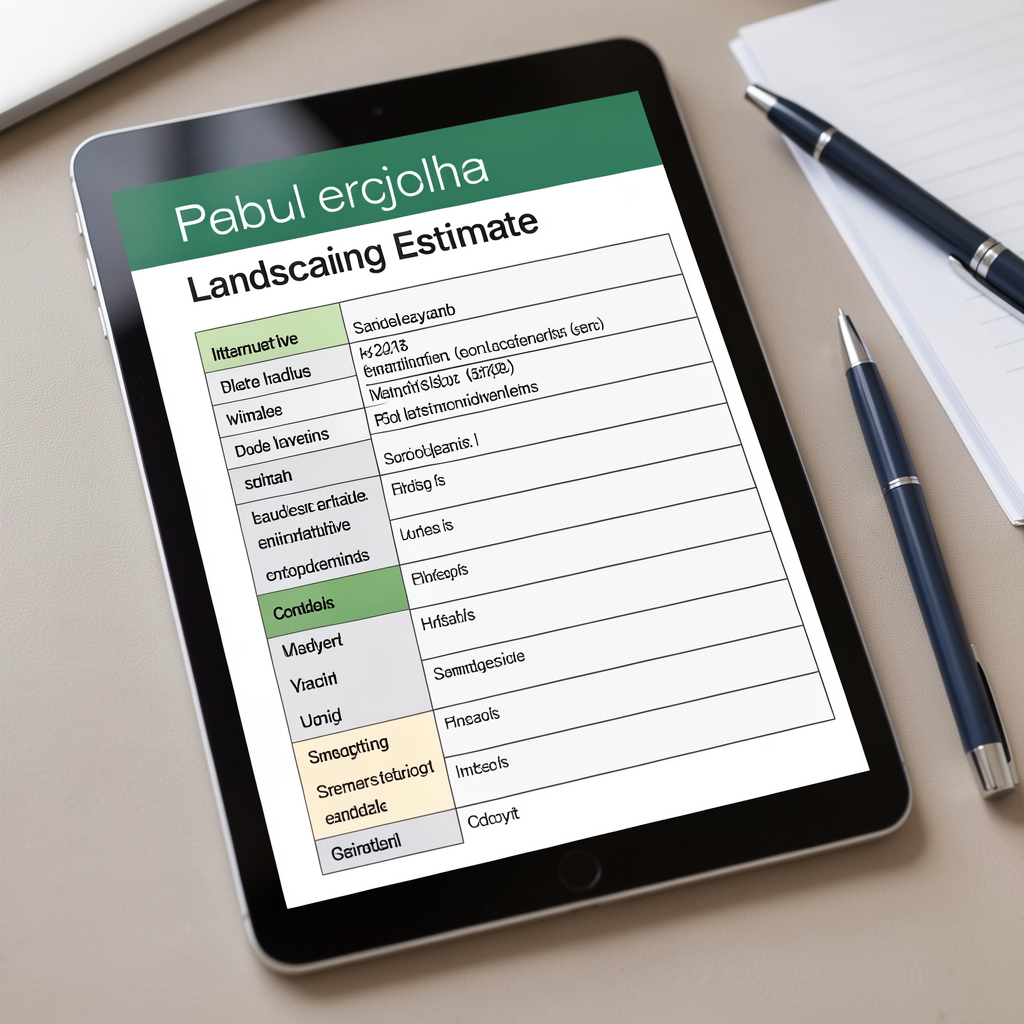
Provide detailed written proposals breaking down labor, materials, timelines, and warranty terms. We include optional phased approaches to match budgets. Avoid vague quotes that hide costs. Benefit: clear expectations and no surprises. Next step: request a written estimate after your site assessment to compare options.
Maintenance Plans & Scheduling
Choose from flexible maintenance packages—weekly, biweekly, or seasonal visits—tailored to garden size and plant types. We provide online scheduling, clear invoicing, and a dedicated account contact. Common issue: inconsistent service intervals reduce garden health. Action: select a maintenance tier to secure a recurring schedule and priority service.